Furniture Assembly
Shelves and bookcases installed level, strong and properly fixed
Εύρος τιμής:100 € – 500 €
Shelves have one job: hold weight without sagging, tilting or pulling out of the wall. On FixNow you can find local pros who assemble bookcases and shelving units and mount floating, bracket and alcove shelves into concrete, hollow block or plasterboard with the right fixings. Tell them what you will store and compare offers from assemblers nearby.
- Floating shelves perfectly levelled
- Bookcases assembled and wall-anchored
- Alcove shelves fitted on battens
- Fixings for hollow block walls
- Adjustable rail shelving systems
- Heavy-duty garage racking
Σχετικά με την υπηρεσία
Putting up a shelf looks like a ten-minute job, which is exactly why so many end up slightly crooked, bowing under books or slowly pulling away from the wall. The fixing has to suit both the wall and the load. A row of hardback books, a collection of plants or kitchen jars weigh far more than most people expect, and Cypriot walls range from solid reinforced concrete to hollow clay block that crumbles if drilled carelessly.
Through FixNow you can compare offers from assemblers and handypeople who install shelving every week. They match brackets and plugs to your wall, mark everything level and leave shelves that look sharp and carry what you need.
Shelving we can help with
- Floating shelves: hidden-bracket shelves that must be perfectly level and anchored firmly to appear weightless.
- Bracket shelves: visible metal or timber brackets for kitchens, utility rooms and offices.
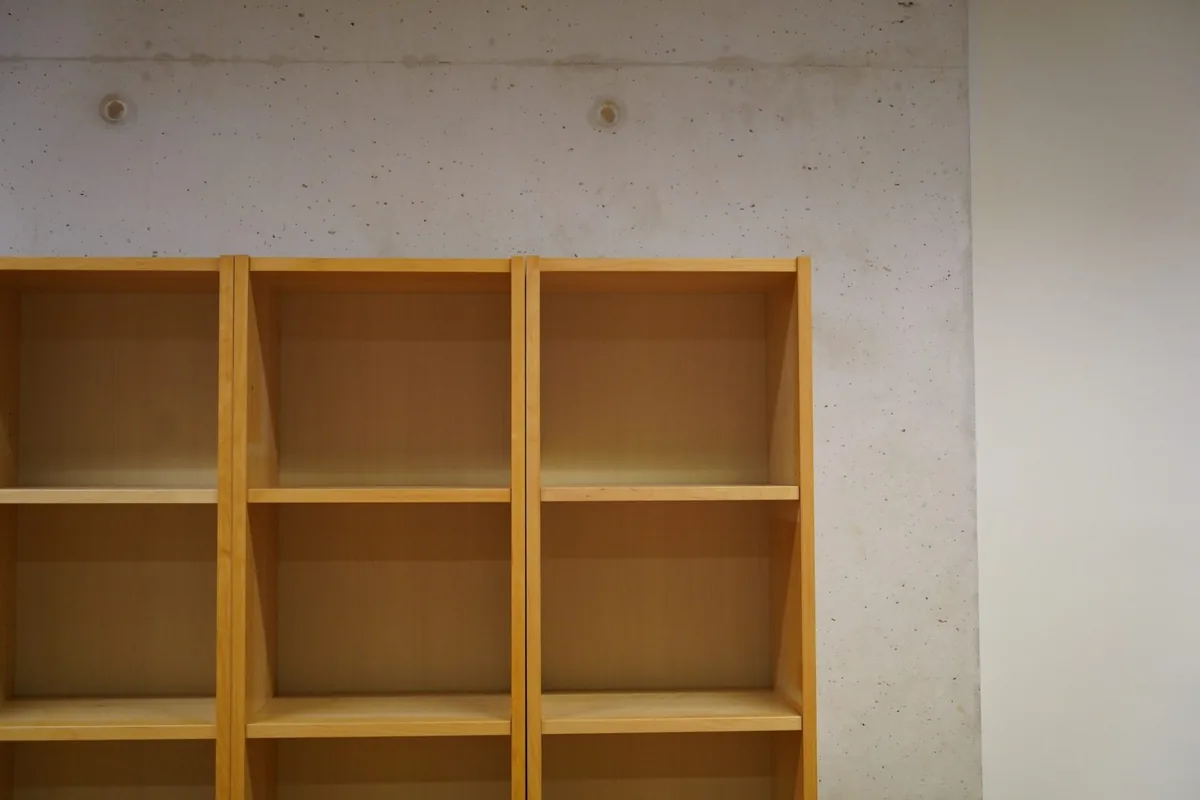
- Bookcases and shelving units: freestanding units assembled, squared and fixed to the wall against tipping.
- Alcove shelves: shelves cut or fitted between two walls, supported on battens.
- Rail and upright systems: adjustable twin-slot shelving for flexible storage.
- Garage and storeroom racking: heavy-duty units for tools, boxes and seasonal items.
Fixings and load: what an expert considers
Solid concrete takes heavy-duty plugs or anchors well but needs a proper drill. Hollow clay block, common in Cyprus, needs longer plugs designed to grip inside the cavities, or chemical anchors for heavier loads. Plasterboard requires cavity fixings or, better, screwing into the studs. Floating shelves place all the weight on concealed rods, so the shelf depth, the wall material and the expected load all decide whether they are suitable. Long shelves need brackets closer together to avoid sagging, especially with chipboard rather than solid wood.
Before drilling, a professional should check for hidden cables and pipes, which often run vertically and horizontally from sockets and switches.
Plan your shelving
Decide what each shelf will hold and at what height, and use painter’s tape to mark positions on the wall so you can visualise the result. Leave enough height between shelves for tall books or jars. If kids can reach a bookcase, it should be fixed to the wall.
What affects the cost
- Number and length of shelves or units.
- Wall material and fixings required.
- Type of shelf, with floating shelves needing extra precision.
- Cutting to size for alcoves or irregular spaces.
Booking shelves on FixNow
- Post your job free with photos of the wall, the shelves and what they will hold.
- Compare offers from ID-checked local assemblers.
- Confirm details in chat, accept and pay securely through FixNow.
- Load the shelves, confirm the job and payment is released.
Need a home for your books, plants or pantry jars? Post your job on FixNow and get shelves that stay level for years.
Γιατί να επιλέξετε αυτή την υπηρεσία
Fixings matched to walls
Pros identify concrete, hollow clay block or plasterboard and choose the right plugs or anchors, so shelves do not loosen over time.
Spirit-level precision
Every shelf is measured and marked carefully, so rows line up, floating shelves look seamless and nothing slopes.
Load-aware advice
Tell the assembler what you plan to store and they can recommend bracket spacing or a different shelf type to prevent sagging.
Hidden services checked
Professionals scan for cables and pipes before drilling, reducing the risk of hitting electrics or plumbing hidden in the wall.