Doors and Locks
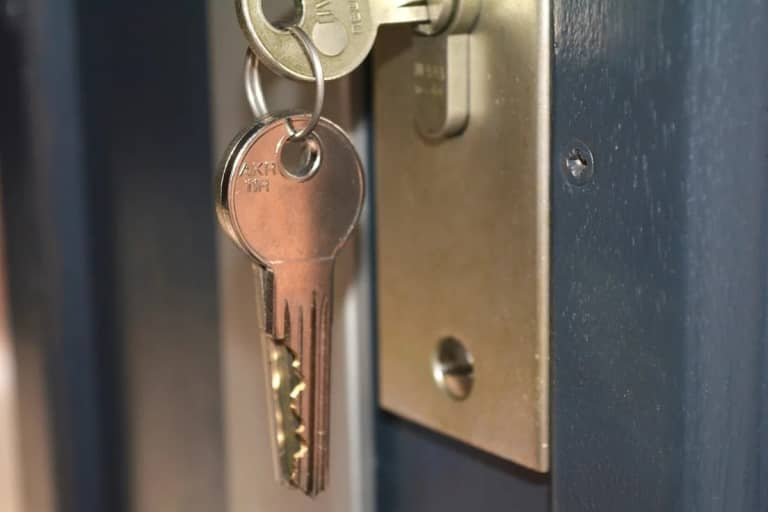
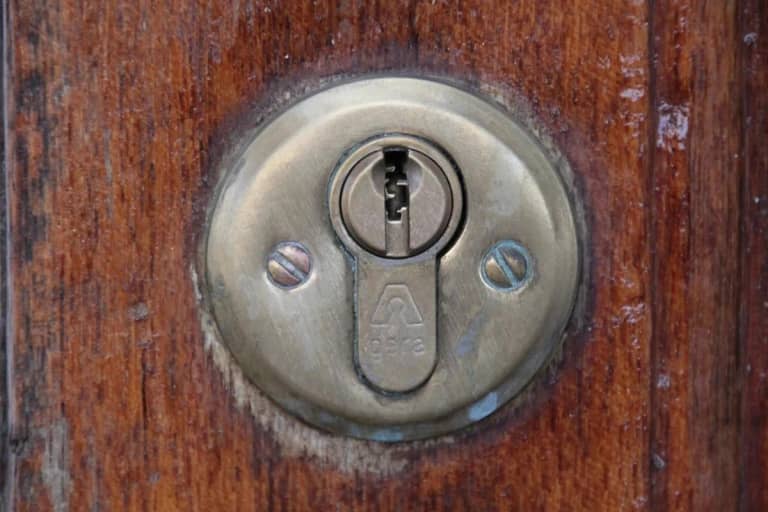
Doors and locks are the jobs that tend to come up at the worst moment: you're locked out at night, a key has snapped in the cylinder, or the front door has dropped and won't close. Others are planned, like changing locks after buying a property or fitting a new internal door during a renovation.
Lock problems people call about
- Locked out: a locksmith will try to open the door without damage first, by picking or bypassing the latch. If the cylinder has to be drilled, it'll be replaced on the spot.
- New home, unknown keys: previous owners, tenants and builders may still have copies. Changing the cylinder is quick and cheap compared with the risk.
- Stiff or jammed locks: dust and dried grease are the usual culprits. Graphite or a dry lubricant often fixes it. Cooking oil makes it worse.
- Upgrades: anti-snap cylinders, extra deadlocks, door viewers, chains, and smart locks with a keypad or phone app.
- Spare keys: cut from the original, or from the cylinder code if you have a security card for it.
Doors that stick, drop or let the weather in
Wooden internal doors swell in humid winters and shrink in summer, so one that rubbed in January may have a gap in July. A carpenter or door fitter can plane the edge, adjust or replace hinges, and reposition the strike plate so the latch catches. Front security doors are heavy and their hinges wear over time, which makes them sag and drag on the floor; most have adjustable hinges that can be reset. Aluminium entrance doors have their own hinge and lock systems, so tell the pro what the door is made of.
Fitting new doors
Hanging a new internal door means checking the frame is square, cutting the door to size, fitting hinges and handles, and adding architrave. Pre-hung door sets with the frame included are quicker to fit but need an opening the right size. For an external or security door, the frame is fixed into the wall with anchors, and some plaster repair is usually needed afterwards.
What to send
A photo of the lock from both sides, the edge of the door showing the lockcase, and the key if you have one. If you're locked out, say so clearly so the locksmith knows it's urgent. Expect to be asked for ID or proof that you live there before they open the door.